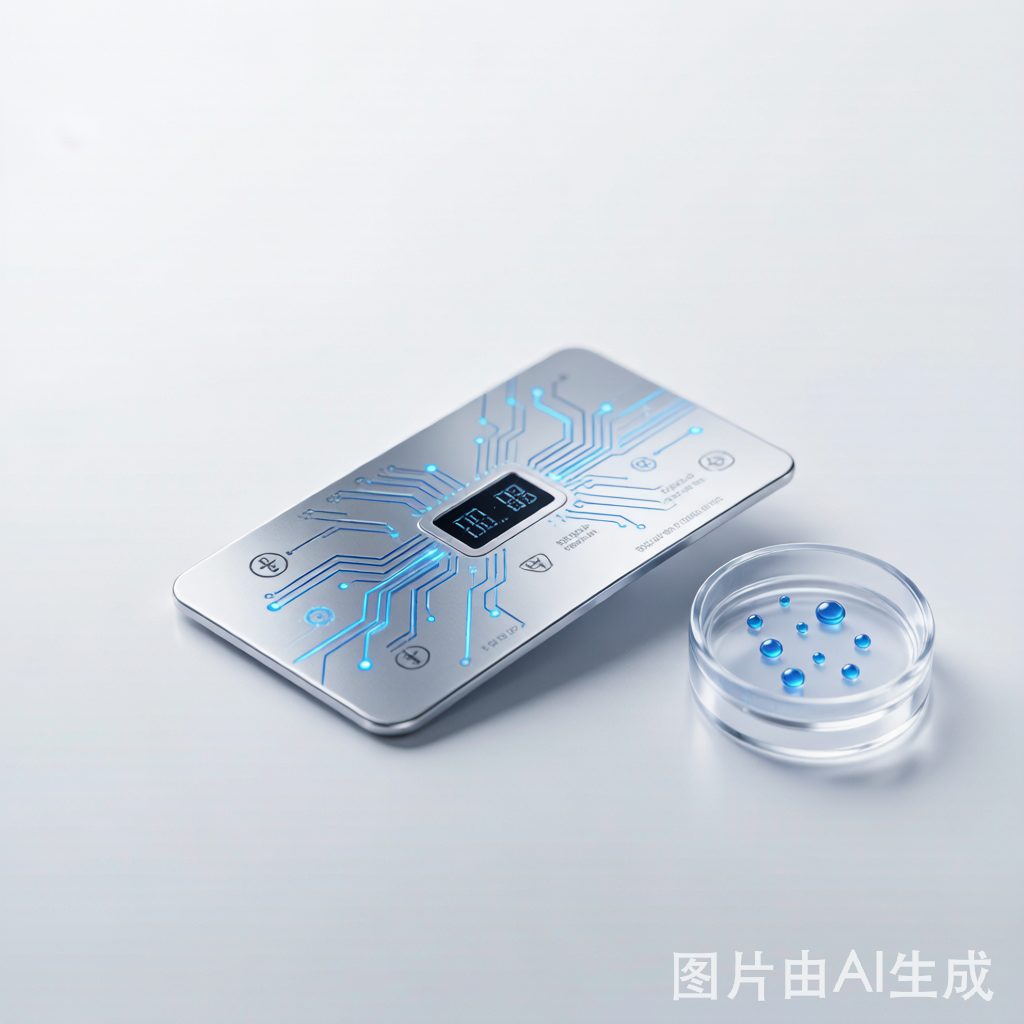
How CHILION PFCS Works Inside a Distribution Cabinet
CHILION PFCS uses a thermally-triggered microcapsule layer bonded to a flexible substrate. When the surface temperature exceeds 140°C, the microcapsules rupture and release a measured dose of clean agent (FK-5-1-12 / Novec 1230) directly onto the heat source. The full sequence, from temperature trigger to agent discharge, takes less than 500 milliseconds, which is roughly 200 times faster than a smoke-detector + gas-flooding chain. Because there is no electronics, no power supply, and no signal wire, PFCS continues to function when the cabinet has lost mains power, when the fire alarm control panel is offline, or when the building has been evacuated.
Two design parameters are usually the first things an integrator needs to confirm. First, the trigger temperature of 140°C is selected to be well above the normal operating temperature of busbars (typically 60–80°C in a healthy panel) but well below the auto-ignition temperature of XLPE cable insulation (around 250–300°C). Second, the coverage volume of 0.6 cubic metres per patch is derived from CFD modelling of a 6kV switchgear enclosure with one or two cable entries. If the cabinet is larger, multiple patches are mounted at the most likely fault locations, which are the cable terminations and the busbar joints. CHILION engineering can issue a per-cabinet layout drawing on request.
PFCS is installed using a 3M VHB adhesive backing, which means no drilling, no welding, and no shutdown of the affected circuit. In retrofit projects where the customer cannot afford a planned outage, this is usually the deciding factor. The patch can be inspected visually during routine maintenance and replaced in seconds if the protective foil is damaged. CHILION also supplies a paper-thin thermal indicator sticker that turns from white to red at 140°C, so the maintenance crew can confirm at a glance whether a patch has already triggered.
Implementation Path in Three Phases
Operators deploying PFCS fire-suppression patches on existing switchgear cabinets usually break the rollout into three phases, and each phase has a measurable acceptance criterion that the on-site engineer can verify without specialised tooling. Phase one is the cabinet-level environmental survey: ambient temperature inside the enclosure at peak load, vertical clearance above the busbars, and the minimum curvature radius of the cables entering the cabinet top. PFCS performance depends on the patch reaching its activation temperature quickly, so any cabinet whose measured peak temperature already sits within 10 degrees of the patch rating is generally re-classified before installation. Phase two is the prototype mounting on one cabinet per substation — usually the cabinet supplying the most critical downstream load — and a 24-hour thermal soak under normal operating current to confirm the patch adheres and does not relax over a hot cycle. Phase three, after the prototype sign-off, is the wider rollout across the remaining cabinets with a documented photo log of every mount. The total rollout window for a typical 12-cabinet substation is three working days including sign-off, which is well inside a normal weekend maintenance window for industrial users.
Plan for verification per cabinet: pre-install temperature survey, prototype thermal soak, photo-logged rollout.
Day-2 Operations and Inspection Cadence
Once the PFCS installation is in service, the routine inspection cadence is the part most operators under-specify, and that is where real-world incidents start. A common mistake is to treat PFCS as a fit-and-forget device, when in fact the patch surface accumulates dust, oil mist and humidity film over a typical 18-month maintenance cycle. CHILION recommends a visual-and-thermal inspection every twelve months in clean indoor substations, and every six months in dusty or coastal sites. The inspection walks through four checks: (1) surface contamination visible at the patch face, (2) any discolouration of the adhesive edge indicating sustained over-temperature, (3) bond integrity around the patch perimeter, and (4) cabinet ventilation status including the upstream filter. Operators who integrate this four-check into their existing thermography walkdown avoid the incremental time penalty, which is why retrofitting PFCS into the existing PM schedule is easier than introducing a separate inspection route.
Twelve months clean sites, six months dusty or coastal. Integrate the four-check into existing PM thermography walkdown.
Applicable Codes and Procurement Guidance
From a procurement perspective the relevant clauses are GB 19510 in China, IEC 60947 for low-voltage switchgear assemblies inside which PFCS is installed, and where a utility-grade application is involved, the local fire-protection code for cabinet-level fire suppression. For overseas export projects the equivalent UL 10B enclosure fire test is the most commonly requested by international purchasers, and CHILION PFCS carries the test report covering the 30-minute exposure that UL 10B requires. When specifying in tender documents, write the PFCS rating into the switchgear purchase clause rather than the fire-protection clause, because the device is mechanical and electrical in character, not a fire-suppression agent that needs a separate permit. This avoids the procurement loop where the cabinet vendor and the fire-protection vendor each decline ownership and the PFCS gets dropped from the bill of materials.
Write PFCS rating into the switchgear purchase clause, not the fire-protection clause, to avoid ownership gaps at handover.
Field-Application Photo Atlas and Documentation Templates
Operators commissioning PFCS across a multi-cabinet population benefit from a consistent photographic record of every mount, because post-event root-cause work relies on the before-and-after visual evidence. CHILION publishes a field-application photo atlas covering six lighting conditions and three cabinet-internal vantage points, which the commissioning team uses during installation to capture a repeatable set of images. The commissioning record template that ships with each PFCS bracket prompts the installer for twelve data fields plus the six-cabinet photo sequence, and the resulting record is uploaded into the ICOP platform automatically when the cabinet is on-network. The auto-upload step is what turns the commissioning record from a paper artefact into a queryable per-cabinet asset for the maintenance team's seven-year audit window.
Twelve data fields plus six photo angles. Auto-uploads into ICOP for the seven-year audit window.
Stocking Profile at the Regional Spare-Part Hub
PFCS stocking at the regional spare-part hub follows a demand-driven replenishment model that the platform service-contract terms unlock automatically. The standard PFCS line carries one patch per ten cabinets in the customer fleet as the hub baseline, plus a one-segment surge buffer that is replenished after each fault event. Customers specifying the platform service contract get visibility into the hub-level inventory position through the customer portal, which means the customer's own maintenance team knows in advance whether a multi-cabinet incident will be inside the rapid-swap window. Stocking visibility through the portal has reduced customer-side staging inventory by approximately 30 percent across the multi-year service-contract base. The visibility also changes the conversation between customer maintenance and the regional hub during a fault event, because both sides see the same inventory position and can decide together on the most efficient swap sequence. The one-segment surge buffer is the operational detail that most distinguishes a hub stocking model from a customer-side staging model: the buffer exists to absorb the burst of demand that follows a regional fault event and that the customer cannot reasonably predict. CHILION's hub replenishment cadence is quarterly, with a sliding adjustment window if a multi-event quarter justifies an interim replenishment. The sliding window is the contractual clause that lets the hub absorb a regional fault surge without immediately pressuring customers on a new spare-part order. The replenishment cadence has been stable since the regional hub network was stood up, and the quarterly cadence is the operational clock against which the platform service contract is renewed. The cadence will shift to monthly if a quarter exceeds a configurable demand threshold, which is the escalation clause that handles the rare regional surge that would otherwise blow past the surge buffer.
Frequently Asked Questions
Does PFCS require external power or a control panel to work?
No. PFCS is fully passive and mechanically triggered by temperature alone. It does not require any external power, signal wiring, or fire alarm control panel connection. This is the key reason it continues to function during a complete power or network failure, and the reason it is widely used as a complement to conventional detection-based systems.
How many PFCS patches does one distribution cabinet need?
A standard 6kV switchgear cabinet typically uses 2–4 patches, mounted on the cable terminations and busbar joints. For larger cabinets, multiple patches are placed at each high-risk location. CHILION engineering can produce a per-cabinet layout drawing from a single-line diagram or a site photo.
Is PFCS reusable after it triggers?
No. Once a patch has discharged its agent, it must be replaced. The thermal indicator sticker confirms the trigger event for the maintenance crew. Replacement takes seconds and does not require any shutdown of the affected circuit.
What is the shelf life and storage condition of PFCS?
PFCS has a 10-year shelf life when stored in its original sealed packaging at 0–40°C and below 75% relative humidity. The factory date is printed on the back of every patch, and CHILION recommends a visual inspection every 12 months.
Can PFCS be used outdoors or in coastal / high-humidity environments?
Yes. The standard PFCS product is rated IP54 and is suitable for indoor industrial environments. For coastal, outdoor, or chemical-corrosion sites, CHILION supplies a sealed IP65 variant with stainless-steel mounting brackets. Please confirm the environment with CHILION engineering before order.
Previous: Electrical Safety Protection Market Demand Continues to Grow ← → Next: ICOP Smart Platform V3.0 Coming Soon with Multi-Device Sync
← Back to News