Published: July 22, 2026 · By CHILION Engineering Team
Electrical fire safety in rail transit — the challenge is that operations cannot stop.
EAPD is installed inside power distribution rooms for on-site protection, while the ICOP platform centrally manages every station across the entire line.
A metro station operates for more than ten hours a day, and maintenance work continues even after service stops at night. Power distribution rooms, signal equipment rooms, and platform screen door control cabinets are energized 24/7 — any power outage for maintenance requires applying for a skylight window.
The advantage of EAPD+ICOP in this scenario: EAPD handles monitoring and fire suppression locally, requiring no power supply approval; the ICOP platform centrally manages power distribution data from all stations on the line.
High-Risk Power Distribution Points in Metro Stations
Platform power distribution room. Lighting, ventilation, water supply & drainage, elevators — all powered from this room. High equipment density, heavy load, and limited heat dissipation.
Signal equipment room. Train operation control systems, interlocking equipment, communication equipment — a failure here is not just a matter of property damage, but of operational safety.
Platform screen door control cabinets. Each station has dozens of screen doors, with control cabinets distributed at both ends of the platform. Equipment runs year-round with high internal temperatures.
BAS electrical control room. The control core for tunnel ventilation and air conditioning systems. High-power equipment with complex wiring.
EAPD Deployment Method
One EAPD unit is installed inside each critical power distribution cabinet in every power room. Magnetic mounting — it attaches directly to the inner wall of stainless steel cabinets, no drilling or wiring required.
The device operates independently and is not connected to the train control system — it does not affect any operation-related approval processes. No reporting is required to the power dispatch department either.
EAPD integrates multiple sensors including temperature, smoke, and infrared flame detection. On-board AI analyzes the situation, and upon confirming an anomaly, the built-in FLOURGUARD extinguishing agent is released in milliseconds. The entire process takes place inside the cabinet, completely unnoticeable to passengers on the platform or concourse.
Role of the ICOP Platform in Line-Wide Management
A metro line has at least a dozen stations, and sometimes dozens. Each station has several power distribution rooms — adding up to hundreds of power distribution points.
The ICOP platform connects all of them. Staff at the operation management center can sit in the control room, open the ICOP dashboard or web interface, and see the power distribution status of every station across the entire line at a glance.
Alerts are pushed by priority. General temperature anomalies are pushed to on-duty station personnel. Once a fire is confirmed, alerts are pushed to the line dispatch center and the safety director.
ICOP also automatically records the full process of every alert — which station, which cabinet, which sensor triggered, and when the extinguishing agent was released. This is valuable for the operator's safety audits and emergency drill optimization.
The EAPD+ICOP combination transforms rail transit electrical safety from "relying on human patrols" to "managed by data."
Applicable Scenarios
- Metro platform power distribution rooms
- Signal equipment rooms
- Platform screen door control cabinets
- BAS electrical control rooms
- Tunnel section substations
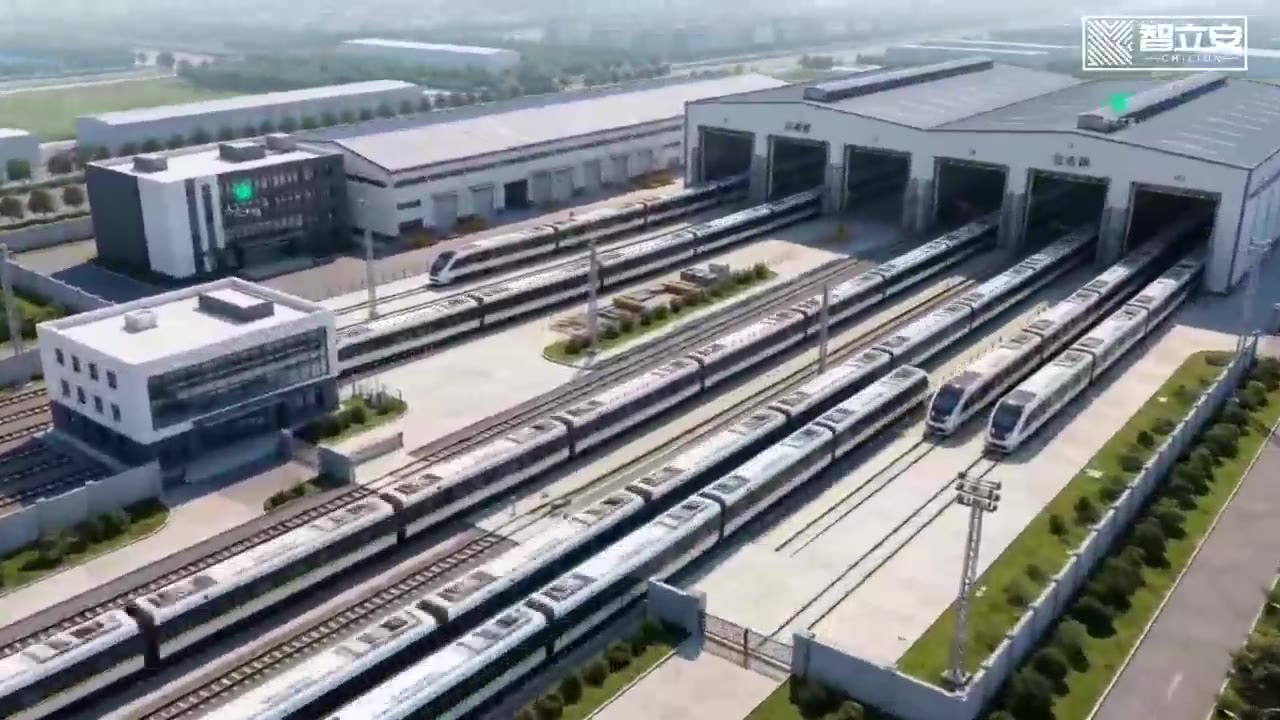
- Depot maintenance workshop power distribution
Signal Power Cabinets and Right-of-Way Maintenance Constraints
Signal power cabinets along a rail corridor carry both an electrical protective responsibility and a signaling-system interface responsibility. CHILION's rail solution treats the signaling interface as a constraint on the electrical instrumentation. Sensor placement, cabling routing, and protective logic are all reviewed against the signaling system's integrity requirements before deployment. The result is an instrumentation program that protects the cabinet without interfering with the signaling system that the corridor depends on. Signal-engineers who have been through this discipline report that the protective-device deployment passes their review without follow-up negotiation, because the constraint review is performed during design rather than at commissioning.
Possession-Window Commissioning for Corridor Cabinets
Corridor cabinets can be reached for commissioning only during possession windows, which are tightly scheduled and subject to operational constraints. CHILION's deployment methodology is built around those windows: commissioning is performed inside the possession window, with crews sized to the work and equipment prepared off-site to compress the on-site window to the minimum necessary. Documentation is structured to be copied directly into the possession-window record. The disciplined approach reduces disruption to rail operations and produces a deployment record that fits within the corridor operator's existing possession records.
Signal Power Cabinets and Right-of-Way Maintenance Constraints
Signal power cabinets along a rail corridor carry both an electrical protective responsibility and a signaling-system interface responsibility. CHILION's rail solution treats the signaling interface as a constraint on the electrical instrumentation. Sensor placement, cabling routing, and protective logic are all reviewed against the signaling system's integrity requirements before deployment. The result is an instrumentation program that protects the cabinet without interfering with the signaling system that the corridor depends on. Signal-engineers who have been through this discipline report that the protective-device deployment passes their review without follow-up negotiation, because the constraint review is performed during design rather than at commissioning.
Possession-Window Commissioning for Corridor Cabinets
Corridor cabinets can be reached for commissioning only during possession windows, which are tightly scheduled and subject to operational constraints. CHILION's deployment methodology is built around those windows: commissioning is performed inside the possession window, with crews sized to the work and equipment prepared off-site to compress the on-site window to the minimum necessary. Documentation is structured to be copied directly into the possession-window record. The disciplined approach reduces disruption to rail operations and produces a deployment record that fits within the corridor operator's existing possession records.
Frequently Asked Questions
How are signal interfaces protected during deployment?
How is possession-window time used efficiently?
Commissioning is performed inside the possession window with crews sized to the work and equipment prepared off-site to compress the on-site duration.
What is the typical window length?
Window lengths vary by corridor. The methodology supports both short overnight and longer weekend windows.
Does the deployment record fit into corridor records?
Yes, the deployment documentation is structured to copy directly into the corridor operator's possession-window records.
Frequently Asked Questions
How are signal interfaces protected during deployment?
How is possession-window time used efficiently?
Commissioning is performed inside the possession window with crews sized to the work and equipment prepared off-site to compress the on-site duration.
What is the typical window length?
Window lengths vary by corridor. The methodology supports both short overnight and longer weekend windows.
Does the deployment record fit into corridor records?
Yes, the deployment documentation is structured to copy directly into the corridor operator's possession-window records.
Frequently Asked Questions
Need a deployment plan for EAPD Electrical Active Protection Device + ICOP Platform in rail transit?
Contact CHILIONService Hotline: 400-8558-313