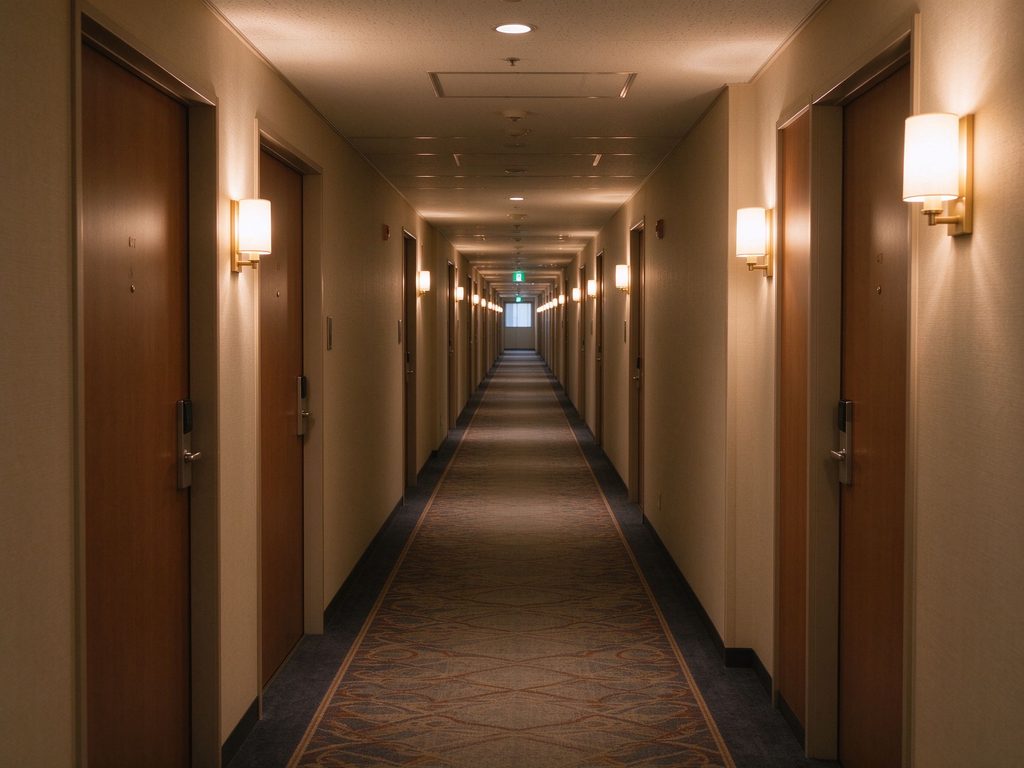
Bottom line: Overnight guests often do not know the building layout, while kitchens, guest rooms, and plant areas concentrate ignition and fuel. Hotel fire safety depends on guest-room readiness, kitchen control, staff drills, and night watch—not a single device.
What makes hotel fire safety distinctive
Guests come from many places, sleep on site, and may include older adults or children, so night evacuation is harder. Hotels combine guest rooms, dining, banquets, meetings, entertainment, kitchens, laundry, and plant rooms—many fire and electrical points in one property.
Bedding, carpets, furniture, and finishes add fuel. Twenty-four-hour operation means discovery and evacuation at night need strong duty and patrol practice. Dense HVAC, elevators, kitchen and laundry equipment, and distribution loads raise electrical pressure. A hotel fire also draws high public attention.
Guest-room requirements
Install detection and sprinklers with alarm linkage; place fire notices and escape maps in rooms. Provide escape masks and flashlights where required; keep extinguishers on floors and emergency lighting working.
Enforce electrical rules: qualified sockets and appliances, no illegal wiring, control of high-power guest devices and electric blankets, and no e-bike battery charging in rooms. Manage smoking zones and cigarette disposal. Keep low-floor window escape guidance and high-floor shelter-in-place cues clear. Check room fire devices regularly and replace damaged items.
Kitchen fire management
Fit cook-line automatic suppression where required, plus extinguishers and fire blankets. Clean hoods and ducts on schedule to limit grease-duct fires. Control open flame: trained operators, shut-off when leaving, end-of-shift checks, and gas leak detection.
Put fryers, induction cookers, ovens, and cold cabinets on dedicated circuits with moisture and grease protection and residual-current devices. Approve hot work for kitchen repairs with a fire watch. Train kitchen staff on oil-fire response, extinguisher use, and valve/power shut-off, and run pre- and post-shift checks.
Guiding guests to evacuate
On discovery, alarm immediately, notify the front desk, start the emergency plan, and use the fire control room linkage. Use multilingual broadcast to give routes and calm guests. Floor and restaurant staff knock room by room and guide people out—use stairs, not elevators; stay low and cover nose and mouth.
Account for people at assembly points, check accessible rooms and other priority rooms for anyone left behind, and assist older guests, children, guests with disabilities, or intoxicated guests. Keep order to avoid crowding, and share registration data with fire responders when needed.
Ongoing fire management and electrical focus points
Assign fire safety responsibility and keep procedures and records. Maintain alarm, sprinkler, hydrant, smoke control, emergency lighting, and exit signs; keep the fire control room staffed around the clock with qualified operators.
Patrol guest rooms, kitchens, plant rooms, and corridors—especially at night. Train staff to report, fight incipient fire, and evacuate; drill regularly. Treat kitchens, switchrooms, equipment rooms, laundry, and stores as key zones with fire separation kept intact. Manage renovations so materials and hot work do not defeat fire systems. Electrical active protection such as PFCS in key panels can complement these management measures where survey supports it.
FAQ
Q: Why is night risk higher in hotels?
Many guests are asleep and unfamiliar with routes. Discovery and orderly evacuation depend on working detection, broadcast, duty staffing, and practiced floor guidance.
Q: What kitchen controls matter most?
Cook-line suppression where required, regular grease-duct cleaning, disciplined flame and gas shut-off, dedicated electrical circuits, and staff drills for oil fires.
Q: How does electrical protection relate to hotel fire management?
Management covers detection, sprinklers, patrols, and evacuation. PFCS, EAPD, or ICOP can be added at surveyed electrical risk points so early heat in panels gets local response.
Q: How can we request a hotel scenario review?
Call 400-8558-313 or use the Contact page with building layout notes, kitchen/laundry locations, and switchroom photos if available. Final design follows site survey.